MELCAYA at MPNEHubs 2025: Self-Ethnography in Krusenberg, Sweden
During the MPNEHubs meeting, on 28–30 November 2025, AMER launched and tested the Self-Ethnography Research Pilot developed in MELCAYA to study barriers to early diagnosis, screening and treatment within Work Package 9: Research Engagement, Patient Education and Advocacy, led by the Romanian Melanoma Association (AMER).
The MPNEHubs meeting, organised by Melanoma Patient Network Europe, brought together 25 patient advocates, patients and family members from across Europe. The 3-day workshop focused on MPNE’s strategy for engagement in research to achieve better patient outcomes and rapid, equitable access.
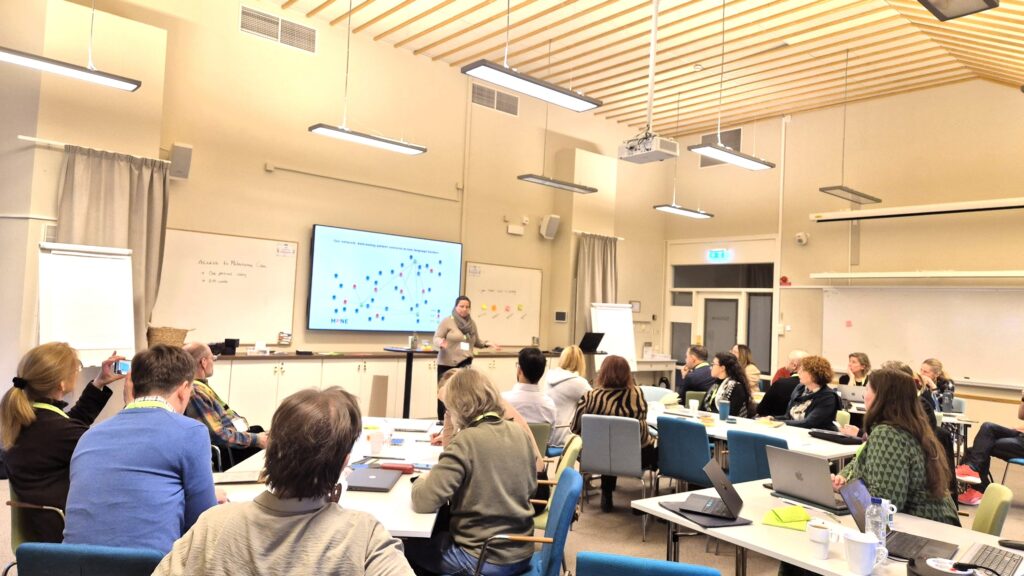
Photo 1: Bettina Ryll, MPNE, discussing Patient Engagement in Research
During a dedicated session, Violeta Astratinei, Bettina Ryll, and Gilliosa Spurrier introduced European patient advocates to self-ethnography and explored the Cynefin® platform, an approach that we are currently developing for our community within MELCAYA. The 90-minute workshop combined an introduction to self-ethnography with a first test of our research pilot, “The Burden of Melanoma: Access and its Impact on the Burden of Melanoma”, directly on Cynefin’s SenseMaker® platform [1].
Getting Our Side of the Story: Ensuring Patient Experience Is Captured
A primary motivation for this methodology is the need to accurately capture the patient experience and meaning. Far too often, clinical studies and traditional research methodologies fail to adequately collect and integrate the day-to-day experiences of patients. These gaps lead to incomplete data, missed research priorities, and the development of treatments or care pathways that do not address the needs of those living with the condition. By leading our own data collection, we want the questions asked and the data collected to reflect the realities of the patient community. The self-ethnography on the Cynefin® platform was particularly attractive because it allows patients to choose a personal story and further analyse it, enabling them to own both their story and its interpretation, without an intermediary.
Increasing the Research Capabilities of Patient Organisations
In advocacy situations, patient advocates’ views often differ from those of other stakeholders. Our actions are typically grounded in the lived experience of our community and the patterns we observe over time.
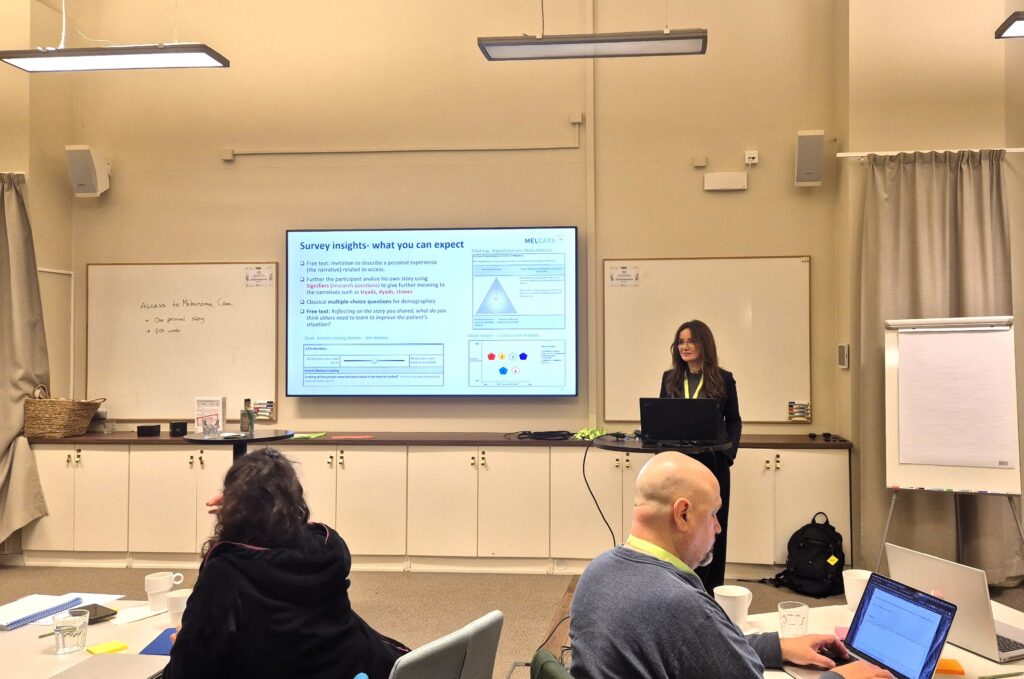
Photo 2: Violeta Astratinei-AMER/MPNE introducing the Melcaya self-ethnography study
However, this experiential foundation, particularly when presented as individual stories, can be easily dismissed by external stakeholders who produce formal evidence. A single story lacks power, but a collection of multiple stories generates evidence that cannot be so easily refuted. In the digital era, when many of us serve large networks of patients and caregivers, we urgently need a rapid and scalable method to collect the experiences of our patient communities.
Opportunities to bring patient views include formal or opportunistic HTA submissions on patient experiences, as well as efforts to bring patients’ perspectives into the public debate on expensive medicines or the real-life accessibility of cancer care. This will allow us to establish our own perspective and compare our findings with those generated by external studies.
Our Pilot and the Preliminary Feedback
Our survey consists of six parts: Introduction, Sharing and Analysing Your Own Story Using Signifiers, Overall Experience with Melanoma, Demographics, Personal Data and Reflective Questions.
We hypothesised that a melanoma diagnosis significantly impacts the lives of patients and their families. Indeed, in our previous exercise on mapping the CAYA Melanoma Journey, we have observed increased socio-economic pressure, including higher out-of-pocket payments and delayed access to diagnosis, treatment and support services, all within an environment of austerity and growing pressure on healthcare systems [2]. To capture insights in melanoma care, we piloted SenseMaker, a digital ethnography tool designed to capture individual experiences and perceptions [3].
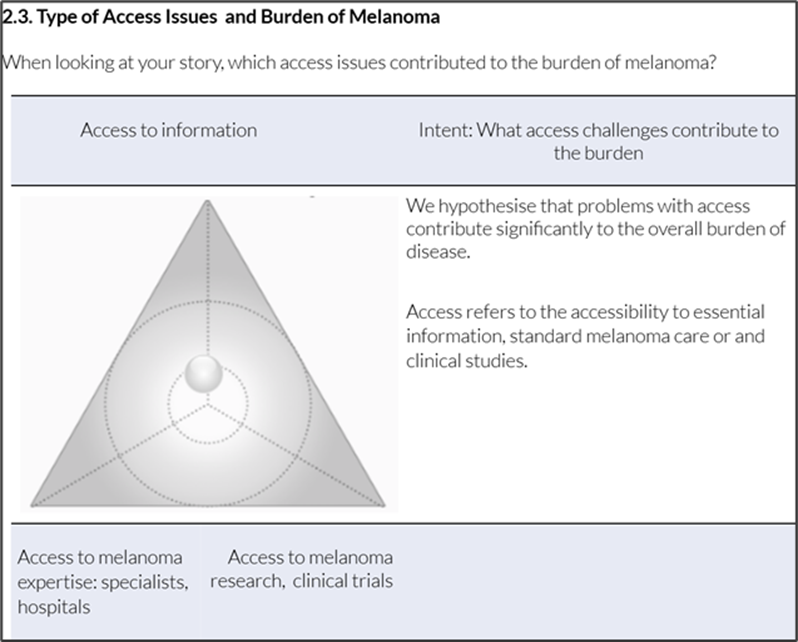
The Triad Widget on access
Participants were invited to write a free-text narrative describing a personal experience. Next, they interpreted their own story using signifiers (research questions) such as triads, dyads, and stone widgets, adding further meaning to the narrative. The survey was completed with classical multiple-choice questions to capture overall experience, basic demographics, and personal data, as well as free-text questions to prompt specific learning and calls to action from the story, e.g., “Reflecting on the story you shared, what do you think others need to learn or change to improve the patient’s situation?”
In total, 15 participants tested the platform and completed the survey. Their input covered both the survey content and technical aspects. For example, several participants recommended allowing multiple-choice questions with multiple answers instead of a single response, suggested additional options to reflect the diversity of real-life situations. Others proposed adding a more explicit warning to remind patients not to disclose identifiable information when sharing their experiences and the majority wished to get a copy of their responses.
The session and its results will be thoroughly documented and included in Deliverable 9.3, Report on the methodology for ethnographic citizen science to understand barriers in CAYA patients. After integrating participants’ input and resolving the remaining minor technical issues, the survey will be distributed through our internal networks to collect more experiences. Overall, participants were more interested than expected in taking part in the self-ethnography work and starting to use it for advocacy purposes. This support is necessary to scale the methodology and translate insights into concrete action. We expect to begin analysing results in spring 2026 and to have the full method described by the end of 2026.
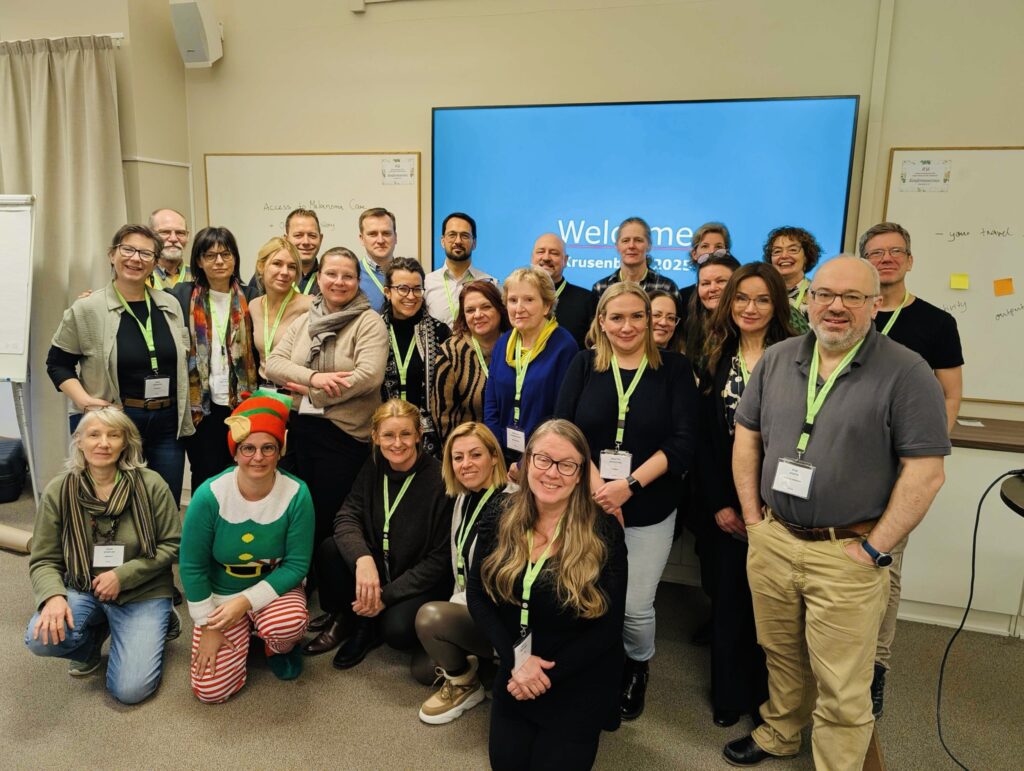
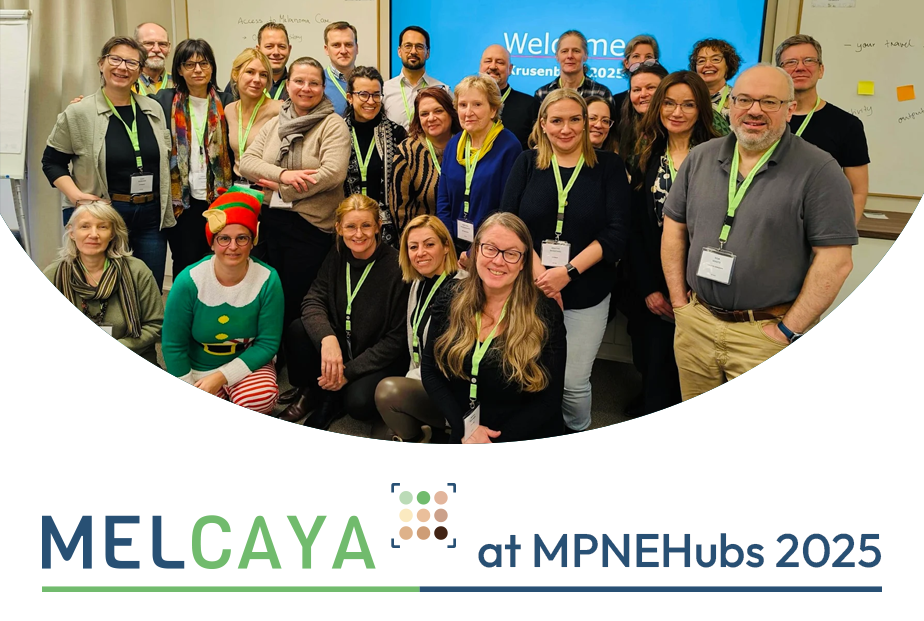
Photo 3: Group of participants at MPNEhubs meeting, Krusenberg 2025
The workshop Program is available on the MPNE website
https://www.mpneurope.org/krusenberg2025
References
- https://thecynefin.co/about-us/about-cynefin-framework/ accessed 10 December 2025
- https://www.melcaya.eu/insights-from-the-melcaya-patient-journey-design-thinking-workshops/ accessed 15 November 2025
- https://www.mdpi.com/2079-8954/7/2/25 accessed 13 November 2025